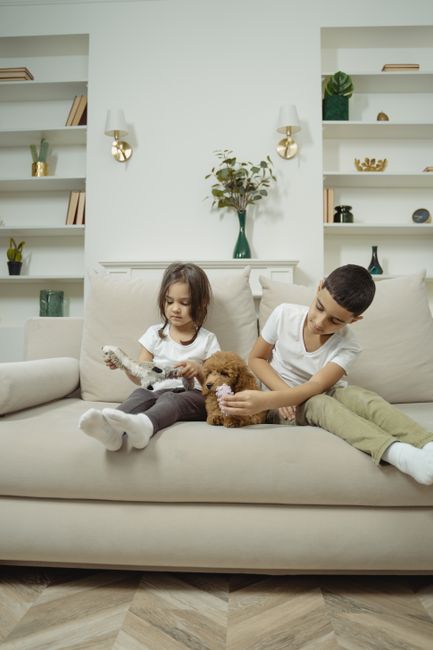
Forestdale Estate upholstery cleaning after pet accidents: a practical guide to fast, safe, lasting results
If you have ever walked into a room and caught that unmistakable pet accident smell on the sofa, you will know how quickly a small mishap can become a proper household nuisance. Forestdale Estate upholstery cleaning after pet accidents is not just about making a stain disappear. It is about protecting the fabric, removing odour at the source, and stopping a repeat performance from your pet or, worse, from moisture that lingers unseen under the surface. Truth be told, upholstery can hide a lot more than the eye first sees.
This guide explains what happens during professional upholstery cleaning after pet accidents, why timing matters, and what you can do before, during, and after treatment. It also covers common mistakes, realistic expectations, and how to choose the most sensible next step for your home. If you need broader help with soft furnishings, the team's upholstery cleaning service and pet stain and odour removal pages are useful places to start.
Table of Contents
- Why it matters
- How the cleaning process works
- Key benefits and practical advantages
- Who needs this and when it makes sense
- Step-by-step guidance
- Expert tips for better results
- Common mistakes to avoid
- Tools, resources and recommendations
- Law, compliance, standards and best practice
- Options and comparison table
- Case study or real-world example
- Practical checklist
- Conclusion
- Frequently asked questions
Why Forestdale Estate upholstery cleaning after pet accidents Matters
Pet accidents on upholstery are frustrating because they affect more than appearance. Urine, vomit, or faecal contamination can soak into the fibres, backing, cushions, and even the frame area if the incident is significant. That means a surface wipe is rarely enough. You might think the stain is gone after a quick clean, but the smell can return when the fabric warms up, especially later in the day or when central heating kicks in.
On Forestdale Estate, homes often rely on shared living spaces where the sofa, armchair, or dining chair gets heavy daily use. A pet accident in one seat can spread odour across the room and make the furniture feel less inviting. It can also encourage pets to revisit the same spot if the smell remains. And let's face it, nobody wants guests sitting on the one chair that still carries yesterday's drama.
There is also a material issue. Delicate fabrics, natural fibres, leather-look finishes, foam padding, and decorative trims all react differently to moisture and cleaning chemistry. The wrong approach can leave rings, hard patches, colour loss, or a stiff texture. That is why a careful upholstery clean after pet accidents needs a bit of judgment, not just enthusiasm and a spray bottle.
Expert summary: The best results usually come from acting quickly, using the right pre-treatment for the stain type, controlling moisture, and fully deodorising the affected area rather than only treating the visible mark.
How Forestdale Estate upholstery cleaning after pet accidents Works
A proper upholstery treatment after pet accidents is usually a staged process. It starts with identifying the fabric type and the nature of the contamination, because urine and vomit behave differently. Urine can travel deeper and leave lingering salts and odour crystals. Vomit may carry food acids and dye residues. Faecal accidents can require extra hygiene attention.
First, the cleaner assesses the material, testing a discreet area where needed. This matters because some fabrics are water-safe, while others can shrink, distort, or bleed. Once the fibre type is known, the contaminated area is treated with suitable stain-lifting and odour-neutralising solutions. For many furnishings, the process may involve controlled hot water extraction, low-moisture cleaning, or specialist stain treatment, depending on the fabric and the severity of the accident. If the upholstery is badly affected, a broader stain removal approach can be combined with stain removal support for heavily marked sections.
The next stage is extraction. This is where the cleaner removes as much soil, liquid residue, and odour-bearing material as possible. Deep extraction is the point at which professional cleaning really differs from a casual home attempt. A damp cloth might move the stain around; extraction helps pull it out.
Drying comes next. Good airflow and sensible moisture control are important. A rushed dry can leave water lines or flatten the pile, while too much residual damp can invite odour return. In practice, the cleaner should leave the upholstery fresh, lightly moist at most, and drying steadily.
When pet accidents are repeated, the process may also include sanitising attention around seams, buttons, and cushion zips, plus advice on recurrence prevention. Not every case needs the same method. That is the point. A mild accident on a cotton-blend sofa is one thing; an old urine patch in a deep foam seat cushion is another entirely.
Key Benefits and Practical Advantages
There is a solid reason people choose professional upholstery cleaning after pet accidents instead of hoping the stain will quietly vanish on its own. It usually saves time, protects the furniture, and gives you a far better chance of removing the odour properly.
- Odour removal at source: The real goal is not perfume or masking. It is breaking down and lifting the contamination so the smell does not keep returning.
- Better fabric protection: Correct treatment helps preserve texture, colour, and shape.
- Less chance of repeat accidents: Pets can be drawn back to the same smell if it lingers.
- Improved hygiene: Useful for homes with children, older relatives, or allergy-sensitive occupants.
- Longer furniture life: Upholstery that is cleaned properly tends to hold up better over time.
There is also a comfort factor that people often underestimate. Once the smell has gone and the sofa feels clean again, the whole room feels less tense. You stop hovering over the cushion and can actually relax on it. That sounds simple, but it matters.
If you are comparing soft furnishing options, you may also want to look at related cleaning for sofa cleaning, rug cleaning, or even curtain cleaning when a pet accident has left the room feeling a bit off overall.
Who This Is For and When It Makes Sense
This type of cleaning is relevant for a lot more homes than people first assume. It is for you if your dog has had a one-off accident after a walk delay, if a cat has sprayed or urinated on a favourite armchair, or if a puppy has not yet quite mastered indoor habits. It is also sensible after pet sickness, because the residue can soak into upholstery in ways that are hard to judge by sight alone.
It makes particular sense when:
- the accident has soaked beyond the surface
- the smell returns after the fabric dries
- the upholstery is a light colour and the mark is obvious
- the furniture is valuable or recently purchased
- you have already tried a home cleaner and the patch has worsened
- you need to restore a room quickly for visitors or family life
Sometimes people ask whether it is worth cleaning older furniture. Fair question. If the piece is structurally sound and the fabric is still in good condition, then yes, usually it is worth it. If the cushion foam is permanently damaged or the upholstery has been repeatedly contaminated, the cleaner may advise caution. Not every item can be rescued to perfection. But many can be improved more than you might expect.
For commercial settings with pet-friendly waiting areas, serviced flats, or guest spaces, the same logic applies. In those cases, commercial cleaning support can be useful when soft furnishings need coordinated treatment across a wider property.
Step-by-Step Guidance
If you are dealing with an accident right now, start calmly. Rushing usually spreads the problem. The best first move is to contain the area and avoid pushing the liquid deeper.
- Blot, do not rub. Use clean absorbent cloths or paper towels to lift as much moisture as possible.
- Protect the surrounding fabric. Keep the affected area from spreading by working from the outside in.
- Avoid soaking the upholstery. Too much water can drive contamination deeper.
- Remove loose solids carefully. For vomit or faecal accidents, pick up residue without grinding it into the weave.
- Ventilate the room. Fresh air helps prevent lingering damp odour.
- Check the cushion filling. If liquid has gone into the foam, the surface may look fine while the odour remains.
- Arrange a suitable clean. Match the method to the fabric and the type of accident.
- Allow full drying. Give the item time and airflow before heavy use.
In a real home, this often plays out with the sofa pulled away from the wall, a fan nearby, and everyone trying not to sit on the "bad cushion" for the rest of the afternoon. A bit chaotic, yes, but manageable.
If you are unsure what the upholstery is made from, do not guess. Check the care label or ask for advice before using a product. That small pause can save a lot of trouble.
Expert Tips for Better Results
Here is where a little practical know-how makes a big difference.
- Treat quickly. Fresh accidents are much easier to manage than dried-in odours.
- Use minimal moisture first. Dry extraction and targeted pre-treatment often work better than an all-over soak.
- Work from the edges inward. This helps avoid a larger halo mark.
- Mind the cushion core. If the filling is contaminated, surface cleaning alone will not solve it.
- Think about the whole seating area. Odour can spread to seams, piping, and nearby cushions.
- Allow enough drying time. That last part is boring, maybe, but it matters more than people think.
If you are cleaning a sofa with a removable cushion cover, deal with the cover and the inner cushion separately if the construction allows it. One without the other is usually not enough. You may get a fresh-looking surface while the smell quietly sits inside the foam like a stubborn houseguest.
Also, if your pet has returned to the same spot more than once, consider that the fabric may need more than one pass or a different treatment method altogether. Odour that has set can behave like a ghost, and yes, that is as annoying as it sounds.
Where needed, specialist methods such as steam carpet cleaning can be useful in adjoining floor areas, especially if the accident has spread beyond the upholstery and into the room's surrounding textiles.
Common Mistakes to Avoid
Most bad outcomes happen because someone tries to be helpful too quickly. Very relatable, honestly.
- Rubbing the stain: This pushes contamination deeper and can distort the fabric surface.
- Using too much detergent: Residue attracts soil and can leave a sticky patch.
- Over-wetting the item: Excess moisture may create water marks, odour retention, or long drying times.
- Using bleach or harsh chemicals: These can damage fibres and dyes, especially on coloured upholstery.
- Ignoring the odour source: A clean-looking surface can still smell if the backing or foam remains contaminated.
- Skipping a fabric test: This is how colour runs and patchy results happen.
One of the biggest mistakes is assuming the stain is just "a bit of smell" when, in fact, the cushion core has absorbed the problem. That is why pet accidents on upholstery are a little deceptive. They look small, then somehow become a whole project.
Tools, Resources and Recommendations
You do not need a van full of kit for every accident, but the right tools make the job far safer and cleaner. At home, a sensible response kit might include:
- clean white absorbent cloths
- disposable gloves
- a small bowl of cool water for blotting, if the fabric allows it
- an upholstery-safe cleaner matched to the material
- a soft brush for lifting residue from texture, not scrubbing it
- a fan or open window for ventilation
For more extensive problems, professional equipment is usually the smarter choice because it can clean more deeply without flooding the fabric. That is especially true for sofa arms, recliners, and stitched seams, which trap residue in little folds. If a pet accident has affected a mattress in the same room, it may help to look at mattress cleaning as well, because sleeping areas and seating areas often share the same odour issues after an incident.
When comparing providers, look for clear explanations about fabric safety, odour treatment, drying time, and what is included. If pricing is on your mind, a transparent pricing and quotes page is a good sign that expectations are being handled properly rather than hidden behind vague wording.
Law, Compliance, Standards and Best Practice
For domestic upholstery cleaning after pet accidents, the key compliance issue is usually safety rather than regulation-heavy paperwork. In the UK, any cleaning work should be carried out with sensible care around chemicals, ventilation, and fabric suitability. Where professional services are used, it is reasonable to expect clear communication on insurance, safe working methods, and any limitations on certain materials.
Good practice includes:
- using products suitable for the fabric and task
- testing discreetly before full application
- avoiding unnecessary saturation
- following the manufacturer's care instructions where available
- being honest about what can and cannot be restored
For customers, it is also sensible to ask about insurance, security of payment, and the company's complaint route if something does not go to plan. Those are not glamorous questions, but they are the right ones. If you want to review those details in advance, the site's insurance and safety information, payment and security, and complaints procedure pages are useful.
There is also a wider responsibility around product use and disposal. Responsible cleaners should think carefully about waste, rinsing, and environmental impact. If sustainability matters to you, the company's recycling and sustainability information helps show how that sits within day-to-day operations.
Options, Methods, or Comparison Table
There is no single best method for every upholstery accident. The right choice depends on the fabric, age of the stain, and how deeply the accident has penetrated. Here is a simple comparison.
| Method | Best for | Strengths | Limitations |
|---|---|---|---|
| Blotting and light home treatment | Very fresh, minor accidents | Quick, inexpensive, easy to start | Often not enough for odour or deep contamination |
| Targeted upholstery spot treatment | Small visible marks on suitable fabrics | Focused and relatively efficient | Can leave rings if done badly |
| Low-moisture professional cleaning | Delicate upholstery and moderate accidents | Less saturation, safer on some fabrics | May need more than one pass for strong odour |
| Hot water extraction | More robust fabrics and deeper contamination | Excellent at lifting soil and residues | Not suitable for every material |
| Specialist odour and stain treatment | Repeated accidents or set-in smell | Targets contamination at the source | Results depend on fabric condition and depth of penetration |
If you are unsure which route is safest, start with the least aggressive method that still has a realistic chance of success. That sounds obvious, but people often jump straight to the strongest spray in the cupboard. Usually not a great idea.
Case Study or Real-World Example
A common local scenario goes like this. A family in Forestdale Estate notices a faint smell on the living room sofa a day after their dog had an accident following a late evening walk. The visible mark looks small, just a pale patch on one seat cushion. They blot it, use a little domestic cleaner, and assume they have caught it in time.
Two days later, the odour returns when the sun warms the room in the afternoon. The smell is not overpowering, but it is there. The cushion feels slightly damp in the middle, and the family realise the liquid went deeper than they thought. A cleaner inspects the upholstery, identifies the fabric, treats the area carefully, and focuses on the cushion core rather than just the surface. The room is ventilated, the sofa is left to dry properly, and the stale odour fades instead of cycling back every evening.
What matters in that example is not the exact method alone. It is the sequence: act quickly, avoid over-wetting, treat the whole contaminated zone, and dry it properly. In our experience, that sequence solves more pet-related upholstery problems than fancy products do.
Practical Checklist
Use this checklist if you are dealing with a pet accident on upholstery right now.
- Identify the type of accident: urine, vomit, faecal matter, or another spill
- Blot the area without rubbing
- Check whether the liquid reached the cushion filling
- Open windows or improve airflow
- Avoid strong household chemicals unless you know the fabric is safe
- Test any cleaner in a hidden spot first
- Keep pets away from the affected furniture until fully dry
- Inspect seams, piping, and underneath cushions for hidden contamination
- Decide whether the item needs professional treatment
- Confirm drying time before resuming normal use
Quick takeaway: if the stain is more than surface-deep, or if the smell comes back after drying, the item probably needs a deeper clean rather than another quick wipe.
Conclusion
Forestdale Estate upholstery cleaning after pet accidents is one of those jobs where careful, steady action beats panic every time. The goal is not simply to make the fabric look better for an hour. It is to remove contamination properly, protect the furniture, and restore a room that feels comfortable again. When the work is done well, the difference is obvious. The sofa looks cleaner, yes, but more importantly, the room smells normal again. That is the real win.
If your pet accident has left a stubborn mark, a returning odour, or a bit of uncertainty about the fabric, the safest next step is to get advice before the problem settles in further. A proper assessment now can save you from permanent damage later. Small effort, big difference. And that's often how the best home fixes work, isn't it?
Get a free quote today and see how much you can save.
Frequently Asked Questions
How quickly should I clean upholstery after a pet accident?
As soon as possible. Fresh accidents are much easier to treat because the liquid has not had time to penetrate deeply or dry into the fibres. Acting quickly also reduces the chance of lingering odour.
Can I use standard carpet cleaner on a sofa?
Not always. Upholstery and carpet fibres behave differently, and some sofa fabrics are more delicate than floor coverings. A product that works on carpet can leave residue, water marks, or damage on upholstery.
Why does the smell come back after I clean it?
Usually because the contamination has soaked into the backing or cushion filling. The surface may look clean, but odour-bearing residue can remain deeper inside the fabric structure.
Is steam cleaning safe for pet accidents on upholstery?
It can be, but only for suitable fabrics and only when used correctly. Some materials handle controlled moisture well; others do not. That is why testing and fabric identification matter before choosing a method.
What if my pet accident has been there for days?
It can still often be improved, but set-in stains and odours are harder to shift. Older contamination may need specialist stain treatment and deeper odour removal, especially if the cushion core is affected.
Will cleaning remove the stain completely?
Not every time. Results depend on the fabric, the type of accident, how long it has been there, and whether the fibres have been permanently marked. A good clean should aim for the best possible recovery, but honesty about limits is important.
How long does upholstery take to dry after cleaning?
Drying time varies with fabric type, room temperature, ventilation, and the method used. Light moisture can dry fairly quickly, while deeper treatment may need longer. It is best not to rush use of the furniture.
Can pet accidents damage the foam inside a cushion?
Yes. Foam can absorb liquid and retain odour even when the surface fabric looks fine. If the cushion core is contaminated, the cleaning approach needs to address that deeper layer too.
What should I do before a cleaner arrives?
Blot the area, avoid adding more water, keep pets off the furniture, and let fresh air into the room. If you know the accident type, mention it when booking so the right treatment can be planned.
Are some upholstery fabrics more difficult to clean after pet accidents?
Yes. Delicate natural fibres, textured fabrics, and some dyed materials can be more sensitive to moisture or cleaning chemistry. A skilled cleaner will usually test first and adjust the method accordingly.
Do I need pet stain and odour treatment if the spot looks small?
Often yes, especially if the smell remains. A tiny visible patch can still hide a deeper contamination zone, and odour tends to tell the truth long before the eye does.
How do I know whether to replace or clean the furniture?
If the upholstery is structurally sound, professional cleaning is usually worth considering first. Replacement becomes more sensible when the fabric is permanently damaged, the contamination is severe and repeated, or the item is already near the end of its life.